
Thrust 3: Weather Impacts
Research highlights from the CLEETS Thrust 3 team.
About this research thrust
This research thrust focuses on understanding and preparing for the long-term climate impacts of transportation decarbonization strategies introduced in Thrusts 1 and 2. It recognizes that decarbonizing transportation will have cascading effects across energy and transport systems, influencing local climates, emissions, infrastructure resilience, and public health. Through ensemble, multiscale climate simulations, the project will iteratively assess air quality, meteorology, and emissions trajectories every five years through 2050. The aim is to identify policy pathways that maximize societal benefits, minimize disruptions, and support climate adaptation. The team will use high-resolution models such as WRF-Chem, leveraging existing initiatives like UIUC’s atmospheric simulations and the UK’s WM-Air program, as well as ground-based sensor networks in Chicago and Birmingham, to simulate and validate projections.
Three key tasks support this effort:
- High-resolution climate and air quality modeling based on decarbonization scenarios, providing critical data for assessing future risks and benefits.
- Vulnerability of clean transportation systems (CECVs) to extreme climate events, using robust optimization and geospatial analysis to identify weak points and propose fortification strategies like microgrids, mobile charging, and V2G integration.
- How future climate risks such as heatwaves and flooding will affect CECV safety and operational viability, analyzing vehicle performance under stress and proposing infrastructure adaptations.
Together, these tasks aim to ensure a safe, resilient, and adaptable clean transportation network by 2050, accounting for both environmental hazards and new demands on vehicle and infrastructure performance.
Research Highlights from Thrust 3
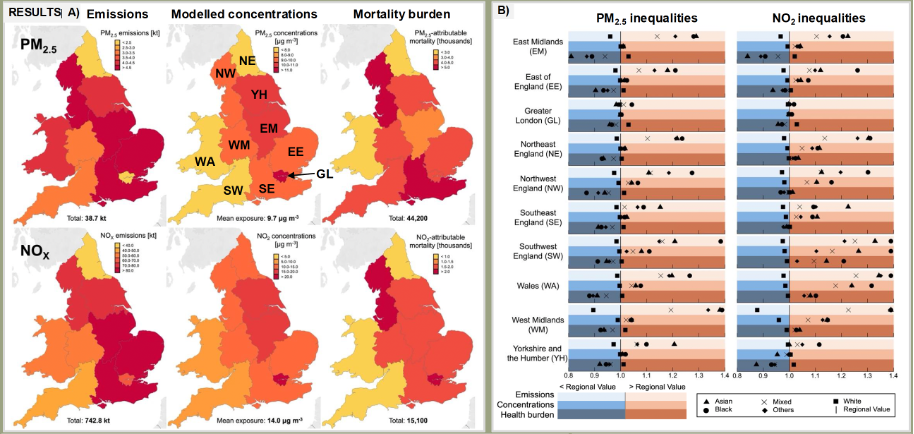
How Clean Energy and Equitable Transportation Solutions Will Impact Air Quality and Public Health
Thrust 3
Evaluating WRF physics schemes against UK Met Office observations to build the best-performing configuration for CMAQ air-quality and health modelling of decarbonization pathways.
Sep 4, 2025 · Read more →
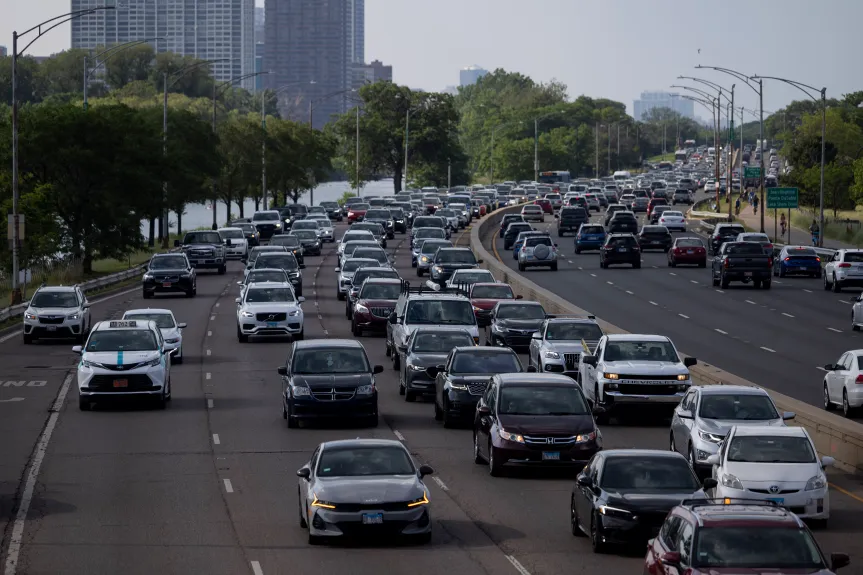
Traffic Anthropogenic Heat Emissions and Urban Climate during Heatwaves: A Chicago Case Study
Thrust 3
Traffic is a significant contributor to urban warming in Chicago — masked by day, but emerging clearly at night and in winter when atmospheric conditions trap heat near the surface.
Sep 3, 2025 · Read more →
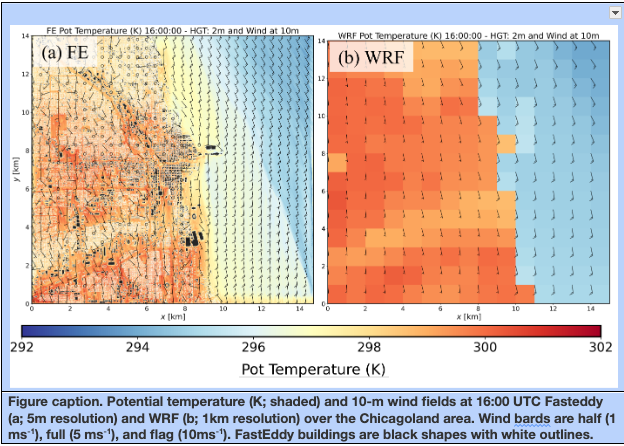
EV & AV Operability in Adverse Weather
Thrust 3
High-resolution simulations of non-precipitating weather hazards — sharp thermal gradients, reduced visibility, gusty winds — that can render EVs and AVs inoperable.
Sep 4, 2025 · Read more →
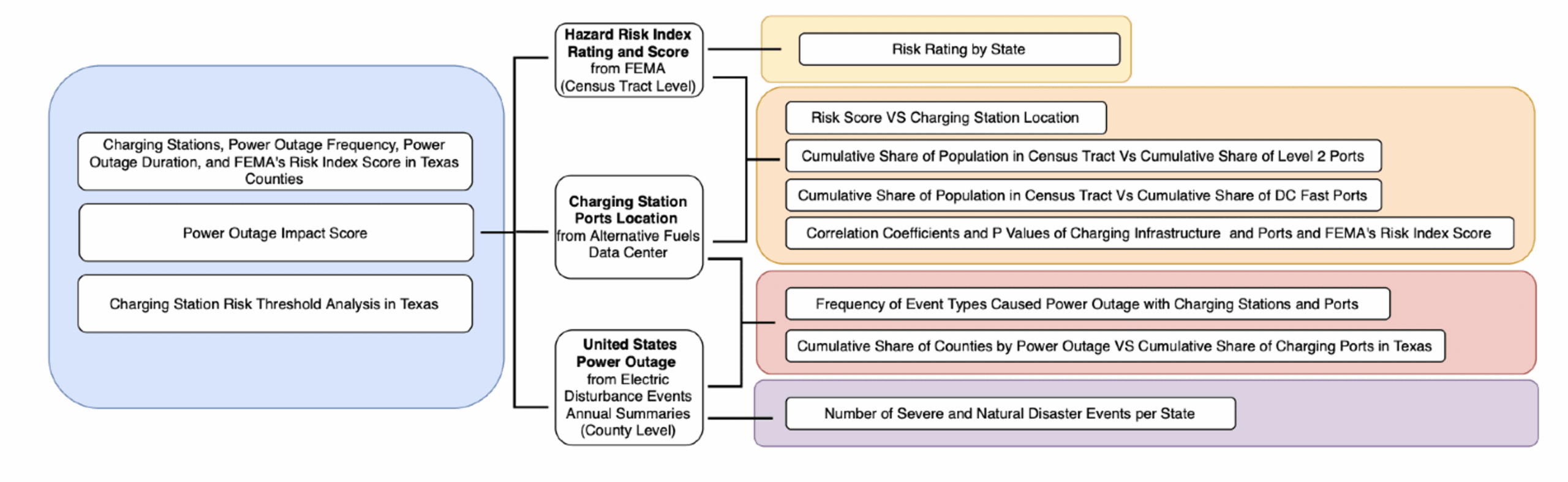
Electric Vehicle Charging Stations at Risk from Hazardous Events and Power Outages
Thrust 3
A geospatial analysis of natural-hazard vulnerabilities and power-outage risks to Level 2 and DC fast-charging infrastructure across the United States.
Sep 9, 2025 · Read more →
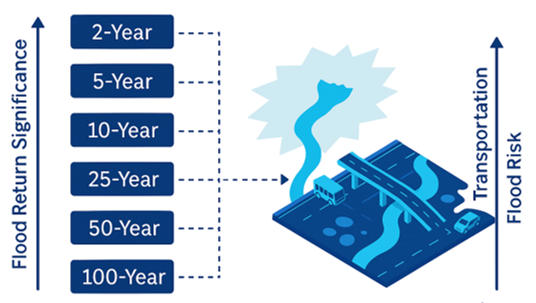
Building EVs Flood Resilient: The EV Toolkit
Thrust 3
An interactive toolkit to help planners and communities make electric-vehicle infrastructure resilient to flooding.
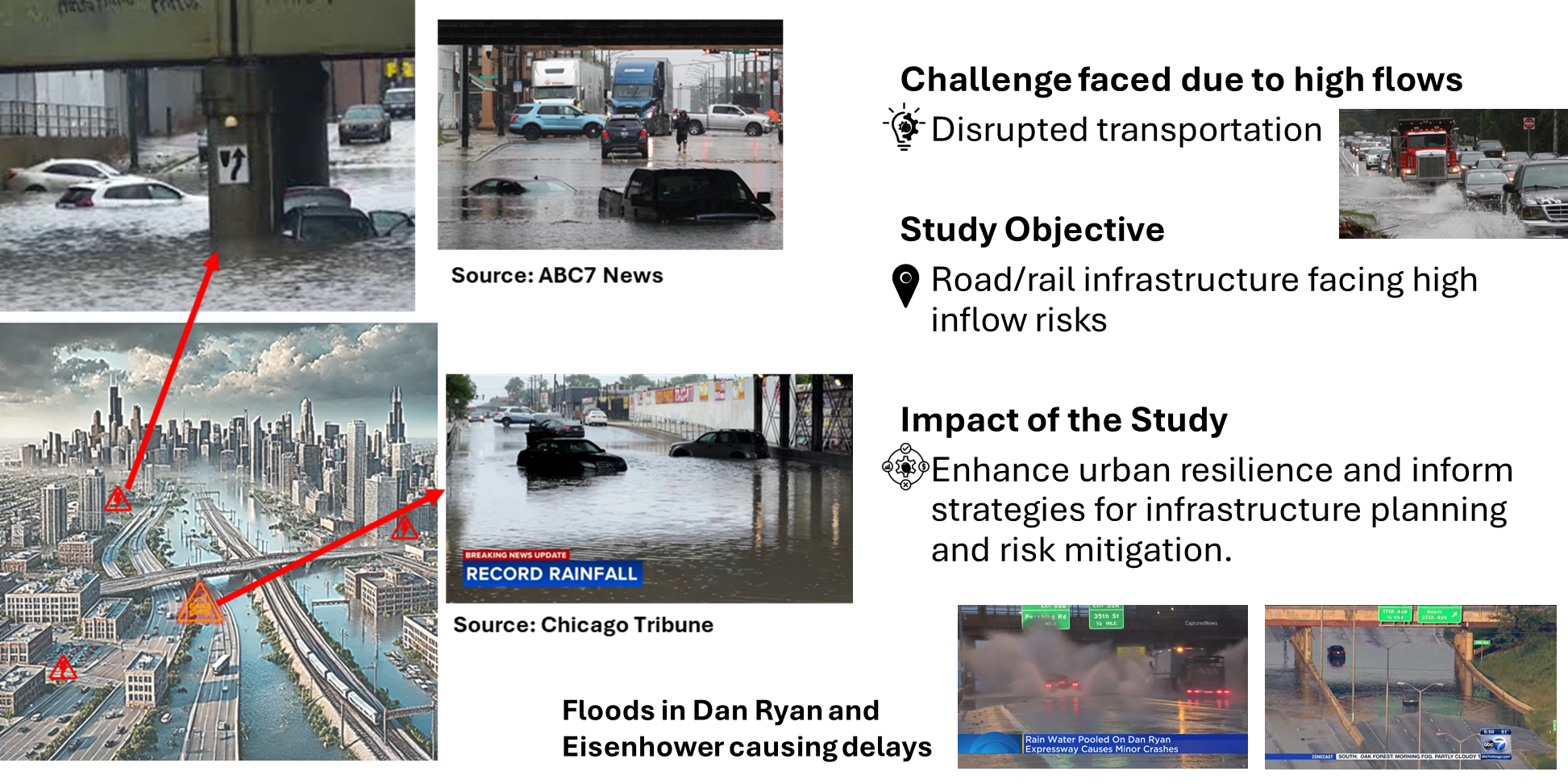
Road and Rail Infrastructure in the Chicago Metropolitan Area Facing Floods
Thrust 3
Integrates historical flood data, crowdsourced validation and hydrological simulations to identify critical flood-prone locations and optimize the safest transportation routes.
Sep 4, 2025 · Read more →
Sign up for our mailing list
You’ll receive the latest updates on CLEETS research and programming.